

How to Start a Difficult Task: Count Yourself In
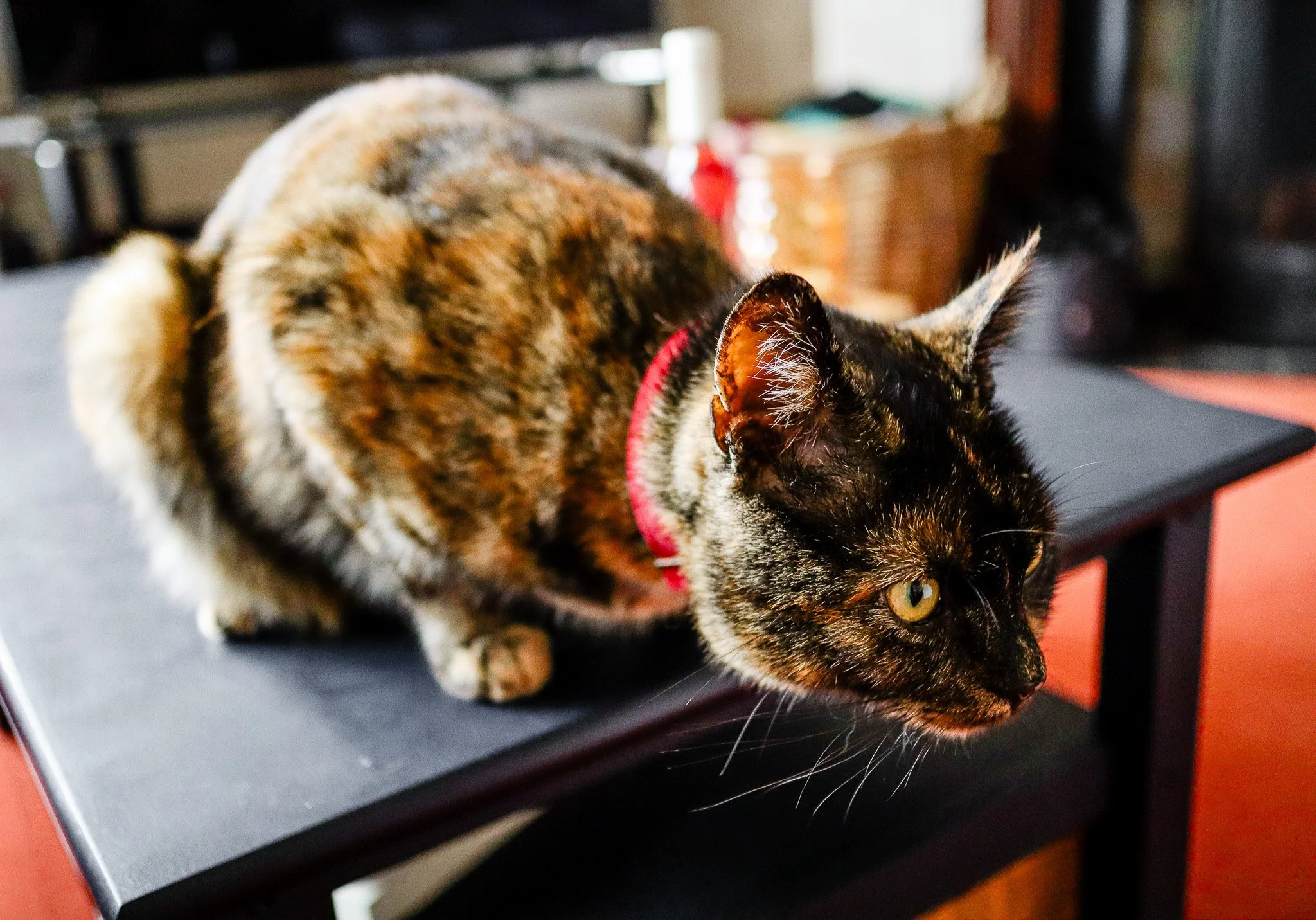
Rosie preparing to jump after her familiar “One, two, three — jump!” cue.
Our three-legged cat, Rosie, will often hesitate before jumping up.
We count her in: “One, two, three — jump!”
And up she goes.
I don’t know whether she responds to the count, the word “jump” or if it’s just a familiar routine. Rosie is hardly a scientific study. But the count may have become a learned cue: a recognisable signal that this is the moment to move.
We all respond to cues throughout the day.
The ping of a phone can make us check for a message, even when the sound came from somebody else’s phone. Through repetition, the sound becomes associated with what normally follows it.
From childhood, many of us are encouraged to begin in a similar way:
“One, two, three — go!”
Musicians also use a count-in to signal when a band should begin together. It creates a clear moment for everyone to play the first beat or note.
The count does not play the song. It creates the moment to start.
Make the Start Clear
If an item on your Eightly list feels difficult to begin, identify the smallest clear action that would allow you to start it.
It is the first visible move needed to get started.
For example:
Go for a walk
→ Put on your walking shoes
Write the report
→ Write the three section headings
Contact the supplier
→ Find the last email
Writing the action beside or beneath the item can reduce the effort of deciding what to do next. You are not asking yourself to complete the whole thing. You are giving yourself one clear way into it.
Using a Start Cue
Even when the first action is clear, hesitation can still get in the way.
Once you know what the first action is, a Start Cue can create a moment to begin it.
If you are still hesitating, count to three in your head, then finish with an instruction that motivates you:
“One, two, three — go!”
“One, two, three — let’s do this!”
“One, two, three — go for it!”
On the final word, begin the first action you have already chosen.
The first movement can be small. Its purpose is simply to launch you into the larger thing.
Not the whole walk. Put on your walking shoes, then go for the walk.
Not the whole report. Write the headings, then start writing.
Not the whole task of contacting the supplier. Find their last email, then get in touch.
Making the start clear and using a Start Cue can help turn your choice into an action.
The first action tells you how to begin.
The cue gives you a clear moment to do it.
One, two, three — go!