

How a Simple Notebook Changed the Way I Work
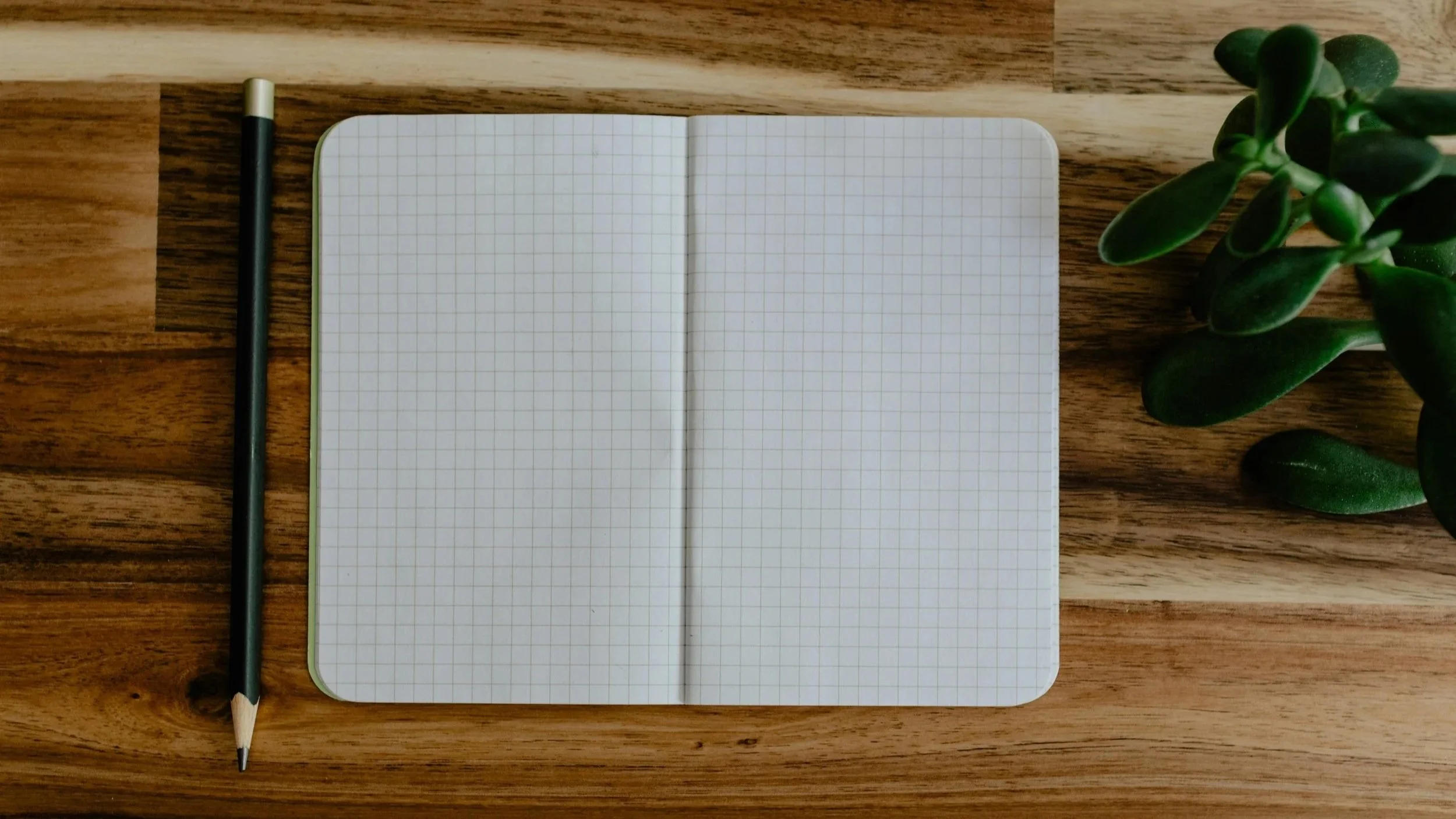
Eightly has evolved over the years, but not in the way you might expect.
The method itself hasn’t changed very much. What has changed is how I use it alongside the work I do.
Around twenty years ago, it lived on my desk in an A4 pad. It was always there, and it became the first thing I would do each morning.
There was no effort required to begin. It was visible, and that visibility made it easy.
As my work changed, so did the format.
I moved into roles that involved more movement and travel, and the A4 pad became less practical. I switched to A5, which was easier to carry, but I noticed something I hadn’t expected.
When the notebook wasn’t in front of me, I was less likely to start.
Not because the method stopped working, but because it was slightly harder to access.
Over time, I realised the issue wasn’t the size of the notebook.
It was whether it was available at the moment I needed it.
I now use an A6 notebook that fits in my pocket, with a pen clipped to the side and a simple band to keep my place.
It's a straightforward setup, but it works.
Small enough to carry without thinking about it, which removes the friction.
If it’s in my pocket, it’s always there.
And if it’s always there, I use it.
The front of the notebook is where Eightly lives.
A short list, up to eight things, chosen from what's already there.
Emails, calendar, conversations, even the list on the fridge!
That's where I choose from.
Alongside this, I’ve found it useful to keep a sense of direction.
At the start of the notebook, I sketch out a simple three-month view of what I’m working towards. It’s not detailed, just a rough outline across the page.
Something I can glance at when I’m deciding what matters today.
It doesn’t need to be accurate.
It just needs to be visible.
The rest of the notebook adapts around this.
During the week, things appear that weren’t planned.
Urgent work, unexpected requests, interruptions.
Rather than changing the list, I note them separately. It helps me see what is pulling me away from what I chose at the start.
These little habits or practices are simply ways of seeing what is happening around the list.
Over time, the notebook has settled into a natural structure.
The front is for choosing what matters.
The first page holds direction.
The rest of the notebook holds what I've chosen.
The back is used for observation, notes, or anything I want to return to.
The method hasn’t really changed.
You still choose what matters.
You still work within a clear boundary.
You still return to it again.
What has changed is how easy it is to do.
Make it visible.
Make it easy to start.
Keep your direction in view.
You write.
You reflect.
You return.
Do what matters. Every day.