

Why Mistakes Help You Learn What To Do Next
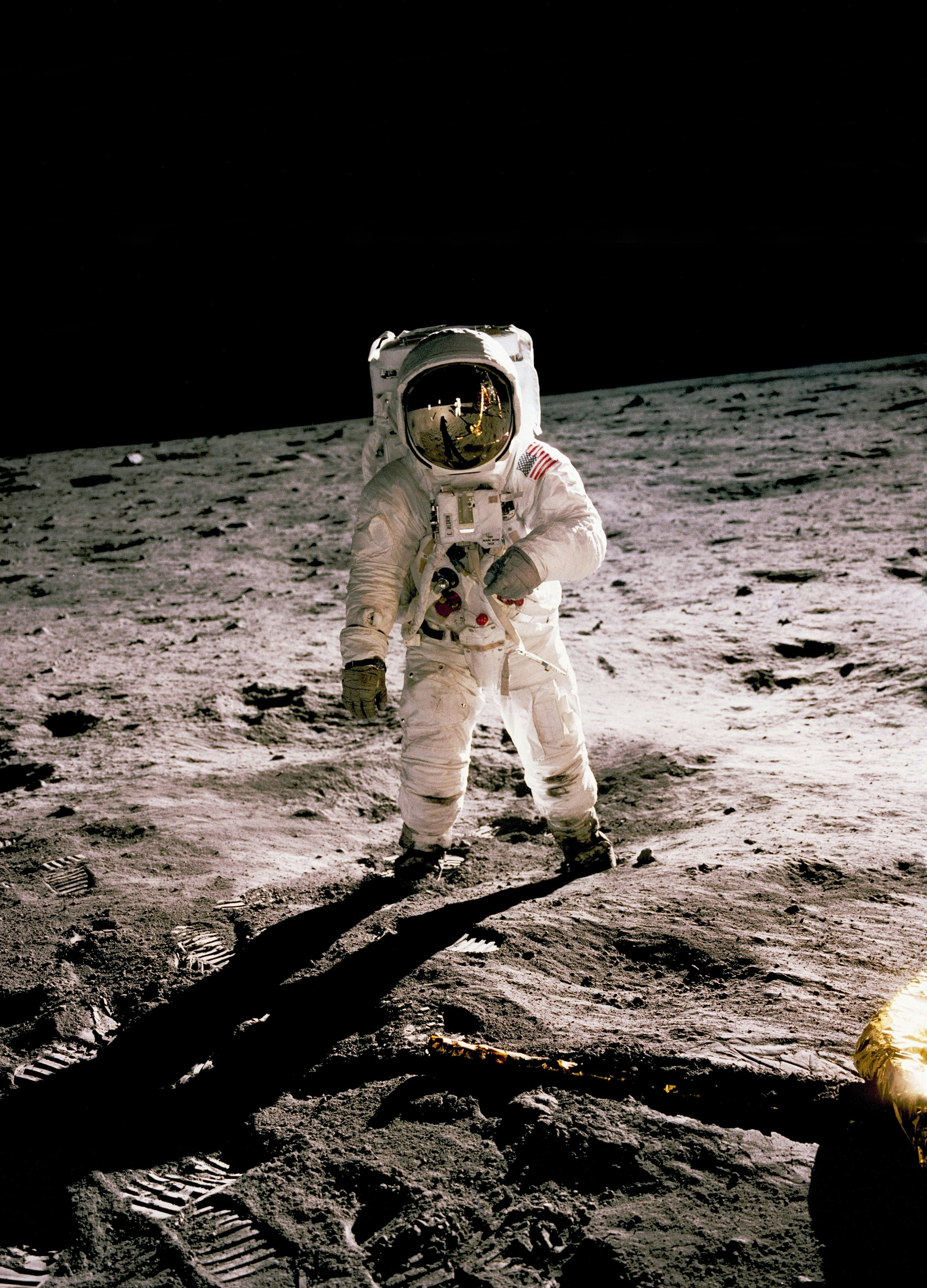
Apollo 11 astronaut Buzz Aldrin on the Moon, photographed by Neil Armstrong, 20 July 1969
Progress does not come from pretending mistakes never happen.
It comes from learning from what has already happened.
Engineering, aviation, space exploration, medicine, operations and design all depend on noticing what happened, understanding why it happened, and making small adjustments before the next attempt.
With reflection, a mistake can show you something you had not noticed yet.
It can reveal an assumption, a weak point, a missing step, or a place where the plan did not quite meet reality.
Coming from a software engineering background, I have learned that mistakes are rarely just mistakes.
They are feedback.
Something works during testing but fails in a different environment.
A process works fine when the volume is low, but struggles when too much arrives at once.
A problem appears that shows you the system was not behaving in the way you thought it was.
In software, that happens all the time.
Those moments can be frustrating, but they are also useful.
They show you something you could not see from the plan alone.
I once worked on a software system that received information from GPS trackers.
The system had no control over when the information arrived.
Sometimes it arrived steadily; sometimes too much arrived at once.
At first, I thought the answer was to make the system process everything faster.
That seemed logical. If the system was struggling, surely it needed to work more quickly.
But, ironically, the solution to making it run faster was to slow it down to stabilise it.
The incoming information needed somewhere safe to wait, so it could be processed one part at a time without crashing.
Through reflection, I could see what the mistake was telling me and I let it guide what I did next.
In technical terms, it needed a queue.
In human terms, it needed a pause between arrival and action.
Ordinary days can work in a similar way.
We often plan as though the day will arrive neatly, one thing at a time.
When a day goes off track, reflection gives us a way to look again.
Not to blame ourselves.
Not to excuse the day.
But to understand what happened, and what that tells us about what we do next.
That matters in Eightly because reflection can happen at any time of the day or after the day has ended.
If an item is not moving, that is worth noticing.
If the same kind of interruption keeps appearing, that is worth noticing.
If the day looked clear in the morning but became overloaded by lunchtime, that is worth noticing too.
The purpose is not to turn everything into a long review.
Most of the time, reflection can stay simple.
What happened?
What did it show me?
What did I learn?
What needs to happen next?
Those questions are enough.
They help us make the next list, the next choice, or the next attempt with better judgement.
We don't have to get everything right first time.
We should not be afraid of making mistakes.
Progress often depends on them.